30 Sep 2026
Unpacking the Role of Artificial Intelligence in Detecting Fraudulent Activities Across German Online Casino Operations
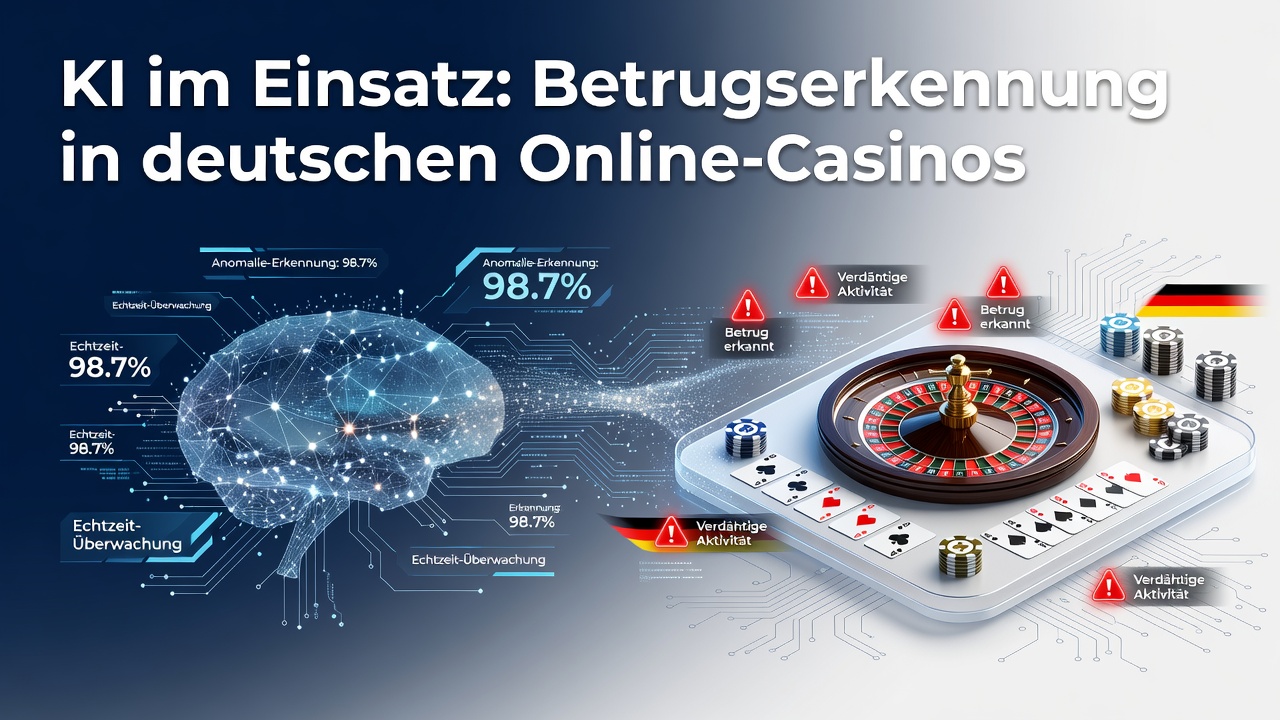
Artificial intelligence has become central to fraud detection systems used by German online casino operators, where machine learning algorithms analyze transaction patterns and user behavior in real time to identify suspicious activity. Data from multiple regulatory reports shows that these tools process thousands of data points per second, flagging anomalies such as unusual betting volumes or rapid account changes that often signal account takeovers or bonus abuse. Observers note that German platforms must comply with strict data protection rules under the Glücksspielstaatsvertrag, which requires operators to maintain transparent records of how AI systems reach their decisions.
Core Technologies Driving Detection Systems
Supervised learning models trained on historical fraud cases form the backbone of many detection platforms, while unsupervised techniques cluster similar user sessions to spot outliers without prior examples. Neural networks examine login locations, device fingerprints, and payment method shifts simultaneously, and reinforcement learning components adjust thresholds based on feedback from confirmed fraud incidents. Research indicates that combining these approaches reduces false positives compared to rule-based systems alone, allowing compliance teams to focus on high-priority alerts rather than routine reviews.
What's interesting is how natural language processing scans chat logs and support tickets for phrases associated with money mule recruitment or collusion attempts. Graph analytics further map relationships between accounts, revealing networks that share devices or IP addresses across multiple German-licensed sites. Figures from industry studies reveal that operators integrating graph-based methods identified coordinated fraud rings 40 percent faster than those relying solely on transaction monitoring.
Applications Specific to German Market Requirements
German online casinos face particular challenges around age verification and cross-border payments, and AI tools now cross-reference facial recognition data with government databases to confirm player identities during high-risk deposits. Anomaly detection flags rapid currency conversions or withdrawals to unfamiliar jurisdictions that might indicate layering techniques common in money laundering schemes. According to reports from the European Commission on digital financial services, such systems have helped several member states, including Germany, meet anti-money laundering directives more efficiently.
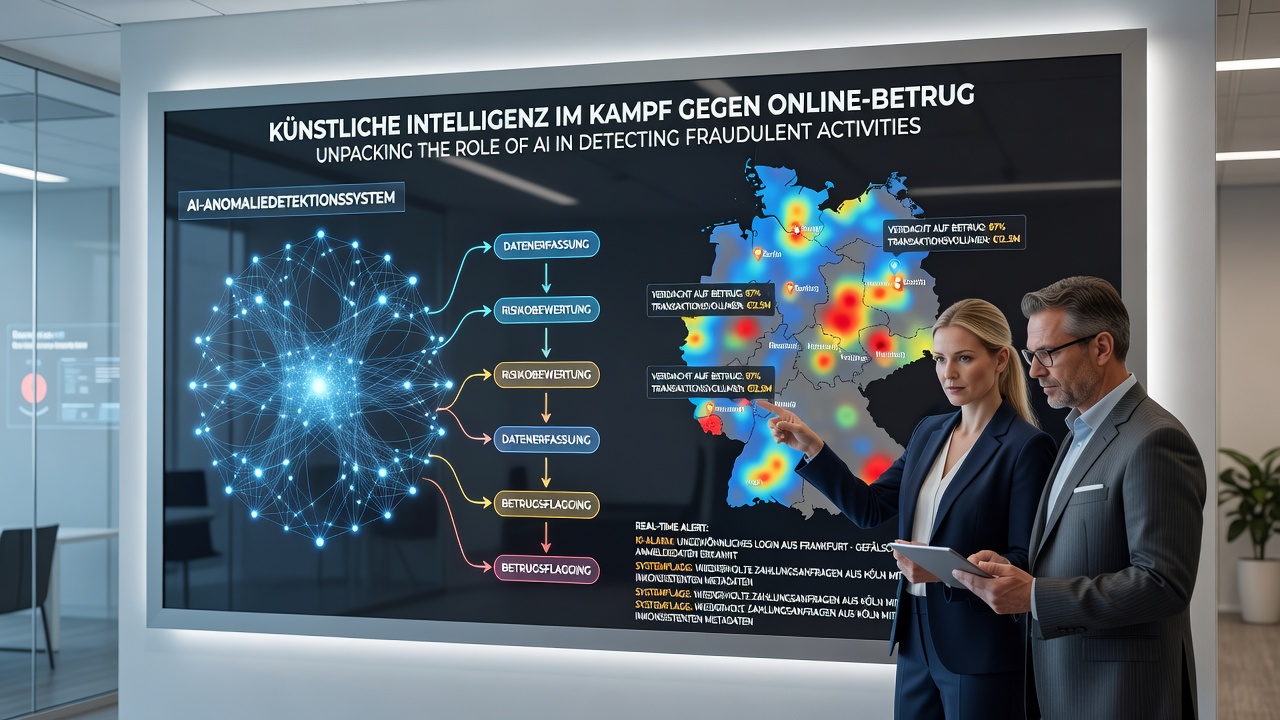
Take one operator that deployed behavioral biometrics to track mouse movements and typing rhythms; the platform detected session hijacking attempts within seconds and automatically triggered additional authentication steps. Similar implementations across the sector have lowered chargeback rates, although exact figures vary by provider. Those who've studied this know that integration with the national self-exclusion database adds another layer, where AI matches new registrations against exclusion lists to prevent prohibited play.
Regulatory Landscape and Upcoming Changes
German authorities require operators to document AI model training data and decision logic, ensuring auditability during inspections by the Gemeinsame Glücksspielbehörde der Länder. External audits must verify that algorithms do not discriminate based on protected characteristics, a standard that aligns with broader EU digital regulations. As of September 2026, updated technical guidelines are scheduled to take effect that will mandate explainability reports for any AI system used in player risk assessment, prompting many operators to upgrade their current architectures ahead of the deadline.
But here's the thing: smaller operators sometimes struggle with the computational resources needed for advanced models, leading them to partner with specialized fintech providers that offer white-label solutions compliant with German standards. Data shows these collaborations have accelerated adoption rates without requiring each company to build systems from scratch.
Challenges and Limitations Observed in Practice
Adversarial attacks remain a concern, where sophisticated actors attempt to manipulate input data to evade detection thresholds. Privacy constraints limit the sharing of training datasets between competitors, which slows collective improvement of models across the industry. Observers note that seasonal spikes in player activity during major sporting events can temporarily increase false positive rates until systems recalibrate. Research from academic institutions in the EU and Australia indicates that continuous human oversight combined with automated alerts produces the most reliable outcomes, rather than fully autonomous decision-making.
Yet integration with legacy payment processors still creates bottlenecks, because older systems transmit data in formats that require additional preprocessing before AI analysis can begin. Operators report that staff training on interpreting AI outputs has become essential, as compliance officers must understand both the statistical basis of alerts and the legal implications of any resulting account actions.
Conclusion
The deployment of artificial intelligence across German online casino fraud detection continues to evolve alongside regulatory expectations and technological capabilities. Current implementations demonstrate measurable improvements in identifying account takeovers, bonus abuse, and money laundering patterns, while upcoming requirements in September 2026 will further shape how these tools operate. External sources such as European Commission AI guidelines and studies from institutions like the University of Melbourne provide additional context on best practices that operators are adapting to local conditions. Continued refinement of these systems will depend on balancing detection accuracy with data protection obligations and operational transparency.